



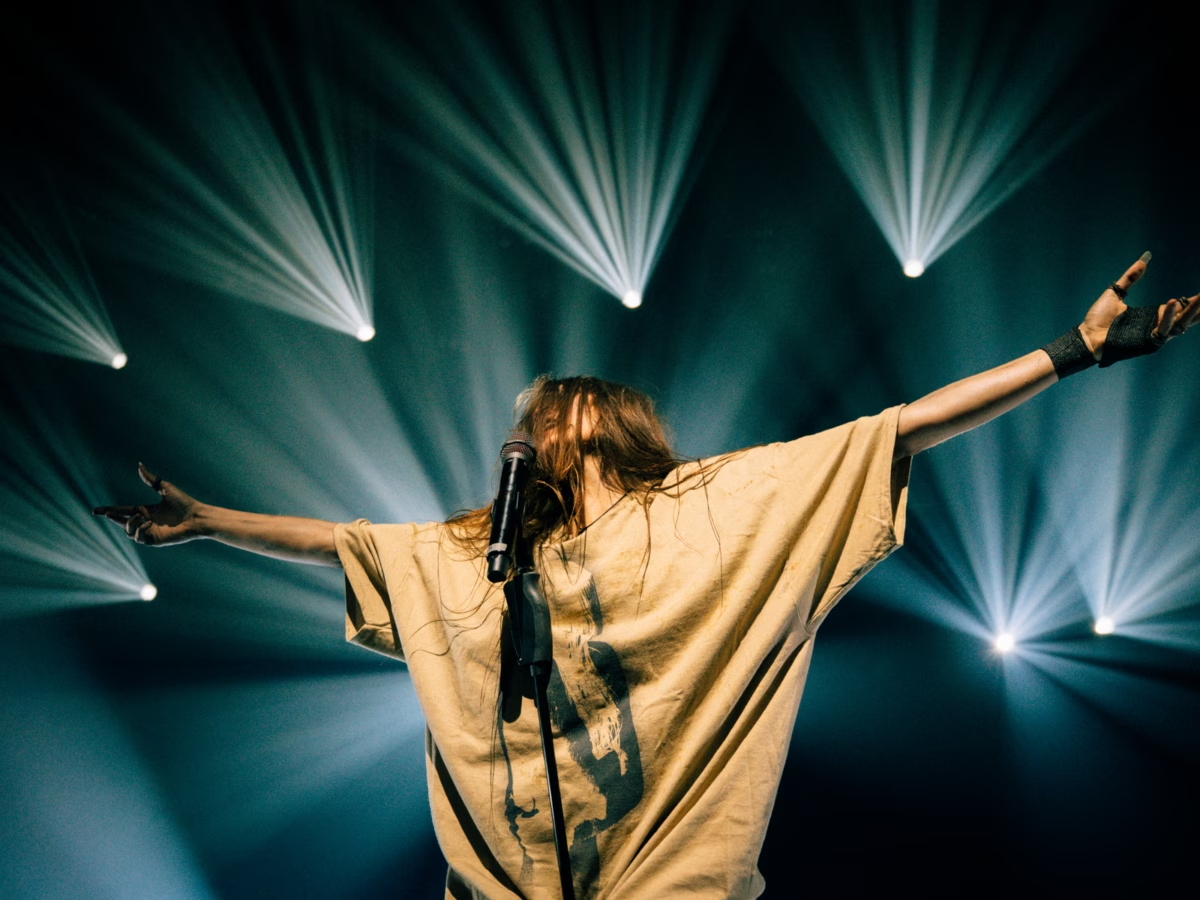
My friend told me they were convinced Sofia Isella is single handedly saving the world. I didn’t quite understand how someone whose catalogue currently exists solely in EP form could accomplish such a feat so, on a tube strike day, I find myself on a pilgrimage to London’s Roundhouse to investigate the accuracy of this bold statement.
I’m ten steps through the doors and I already feel like the oldest person in the room. Me, and the dad who’s dropped his teenage daughter in the crowd before retreating to a corner, back against the wall. Through an app I have made my peace with not understanding, Sofia Isella has amassed a congregation of young devotees. Her songs often travel as fragments, lines detached from their original context and repurposed for a quick fix. From my vantage point at the side, I observe the first few rows tightly pressed together vibrating with anticipation. There’s a hopeful flicker in their eyes that my generation seems to have surrendered somewhere along the way. Perhaps we’ve traded it for self-awareness.
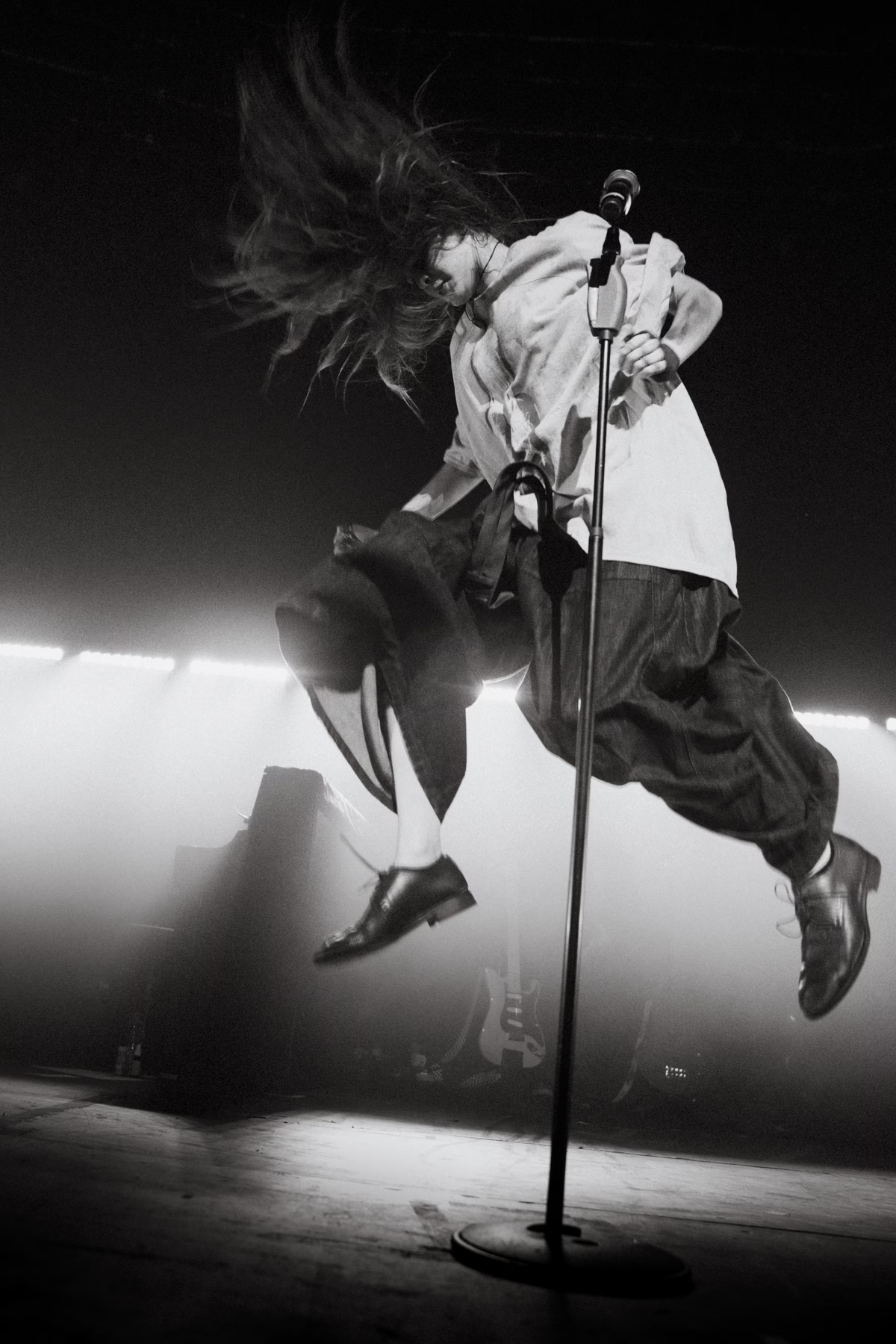
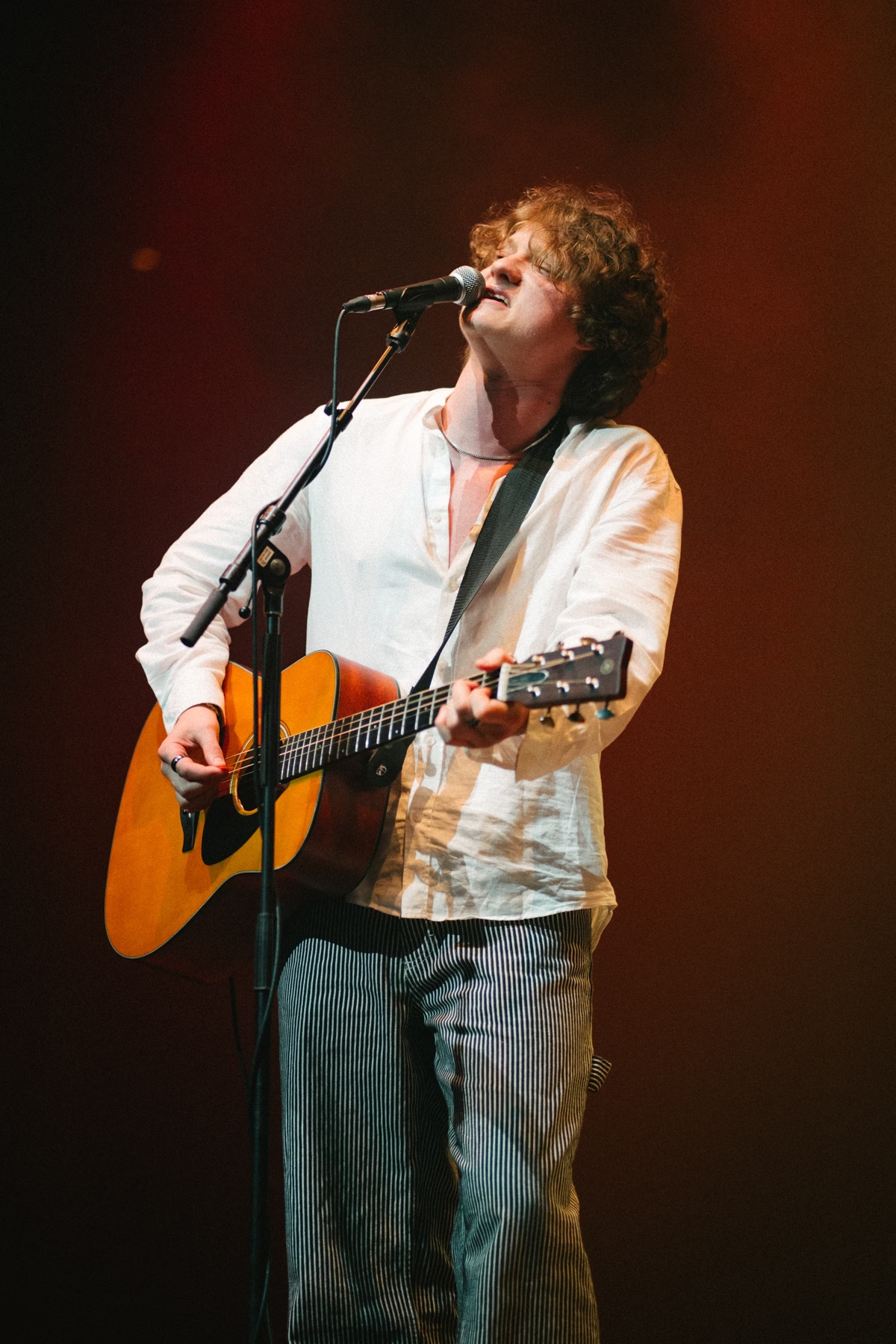
Isella launches on stage and in the blink of an eye, her presence occupies the entire space. I need a moment to recalibrate. Within seconds she’s launching water into the crowd – “holy water” as social media will christen it less than a day later. The room quickly finds its rhythm: performer and audience seem perfectly attuned, moving at the same accelerated frequency. She commands the space physically as much as musically and her body feels like the perfect vessel for her confrontational, razor-sharp lyrics. Every word is devoured and spat back at her. Witnessing it is genuinely surreal at times.
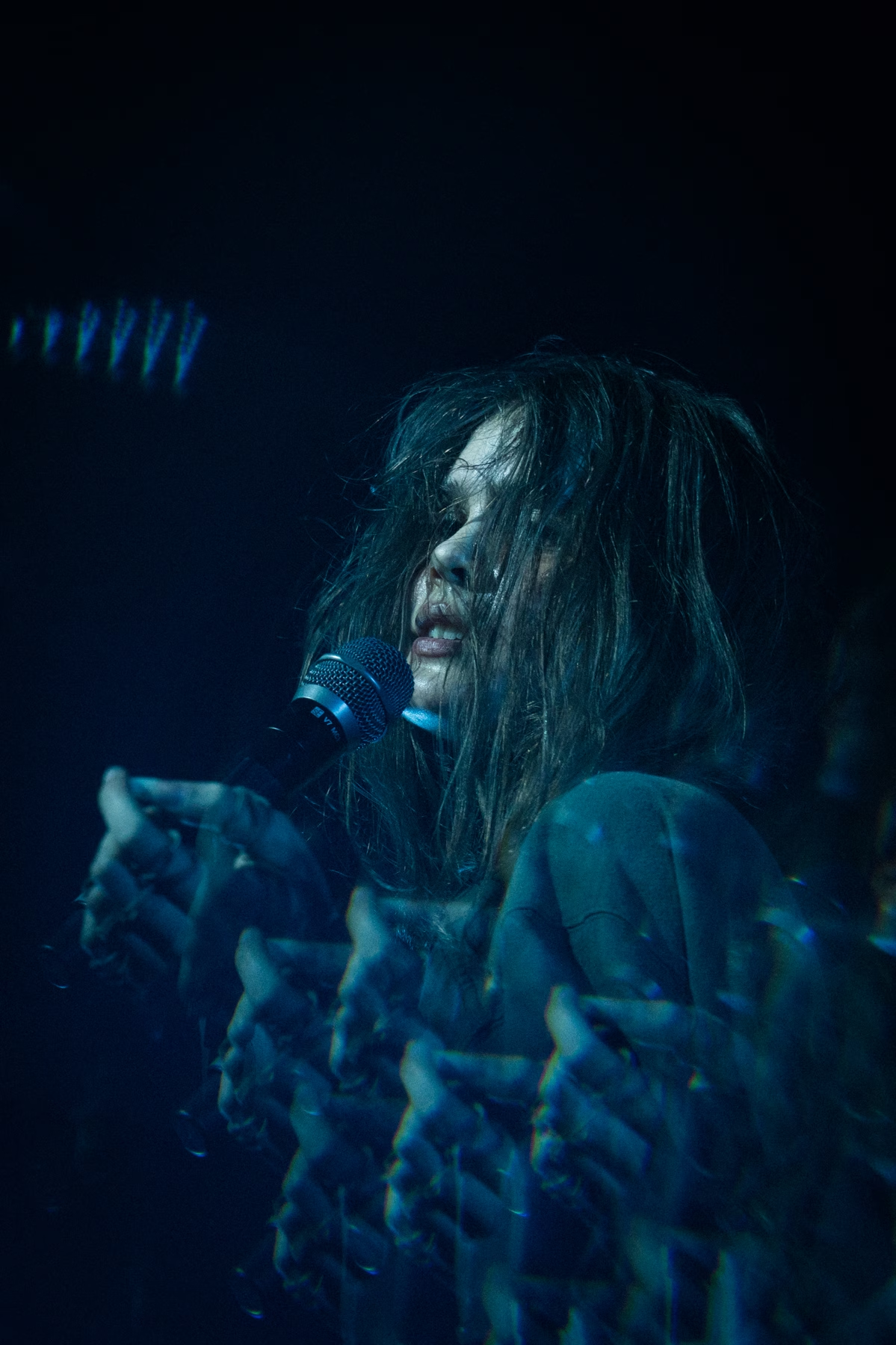
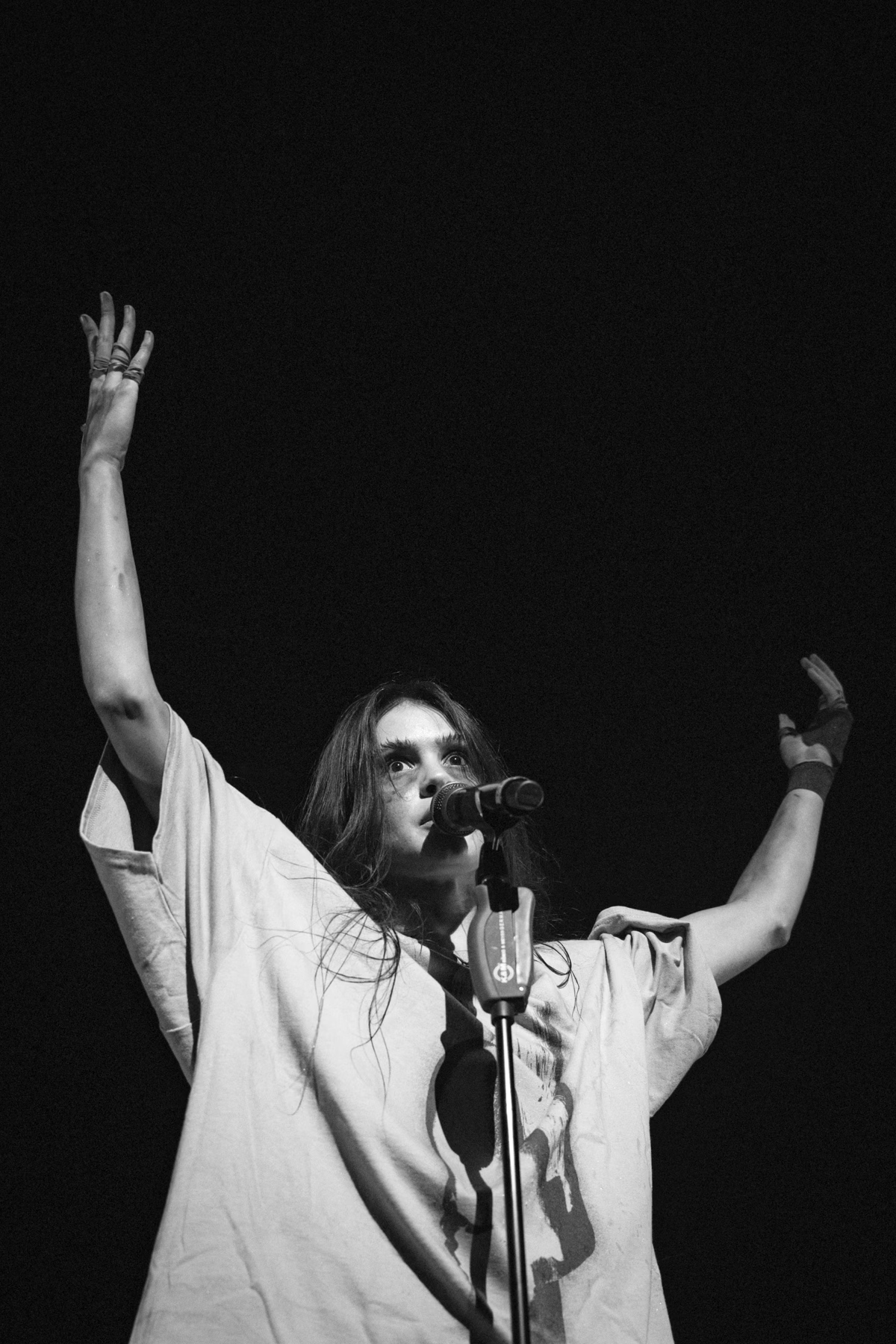
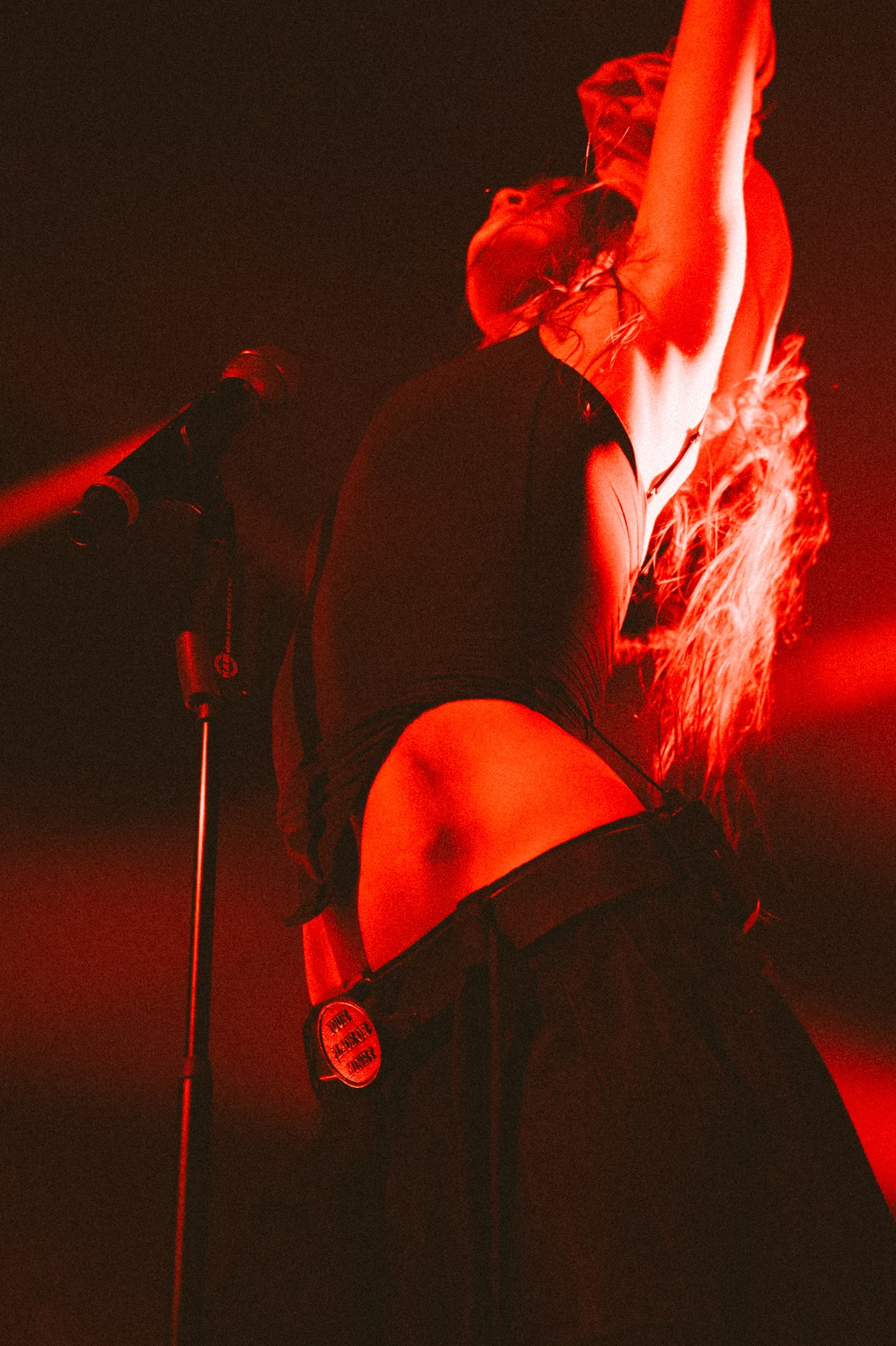
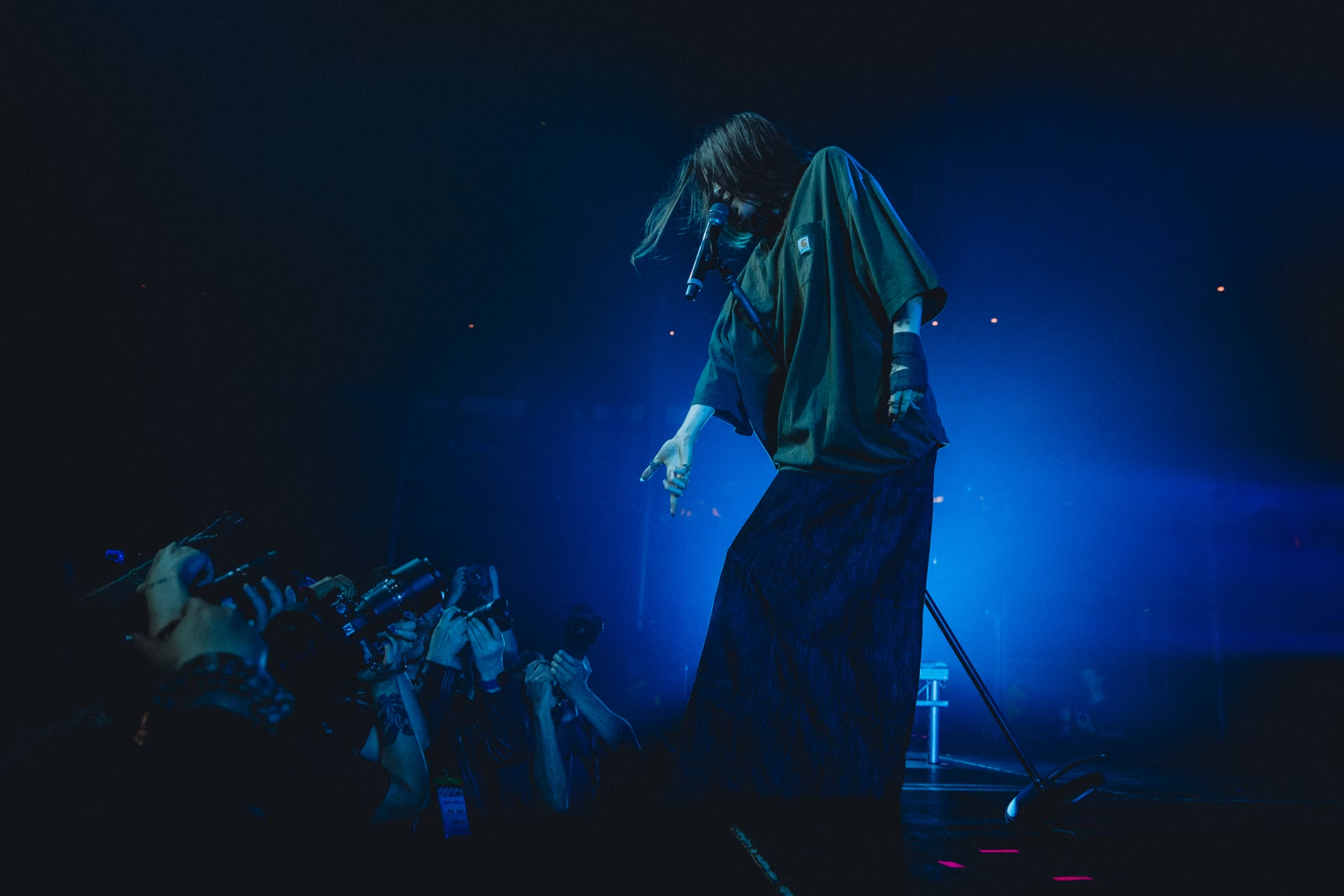
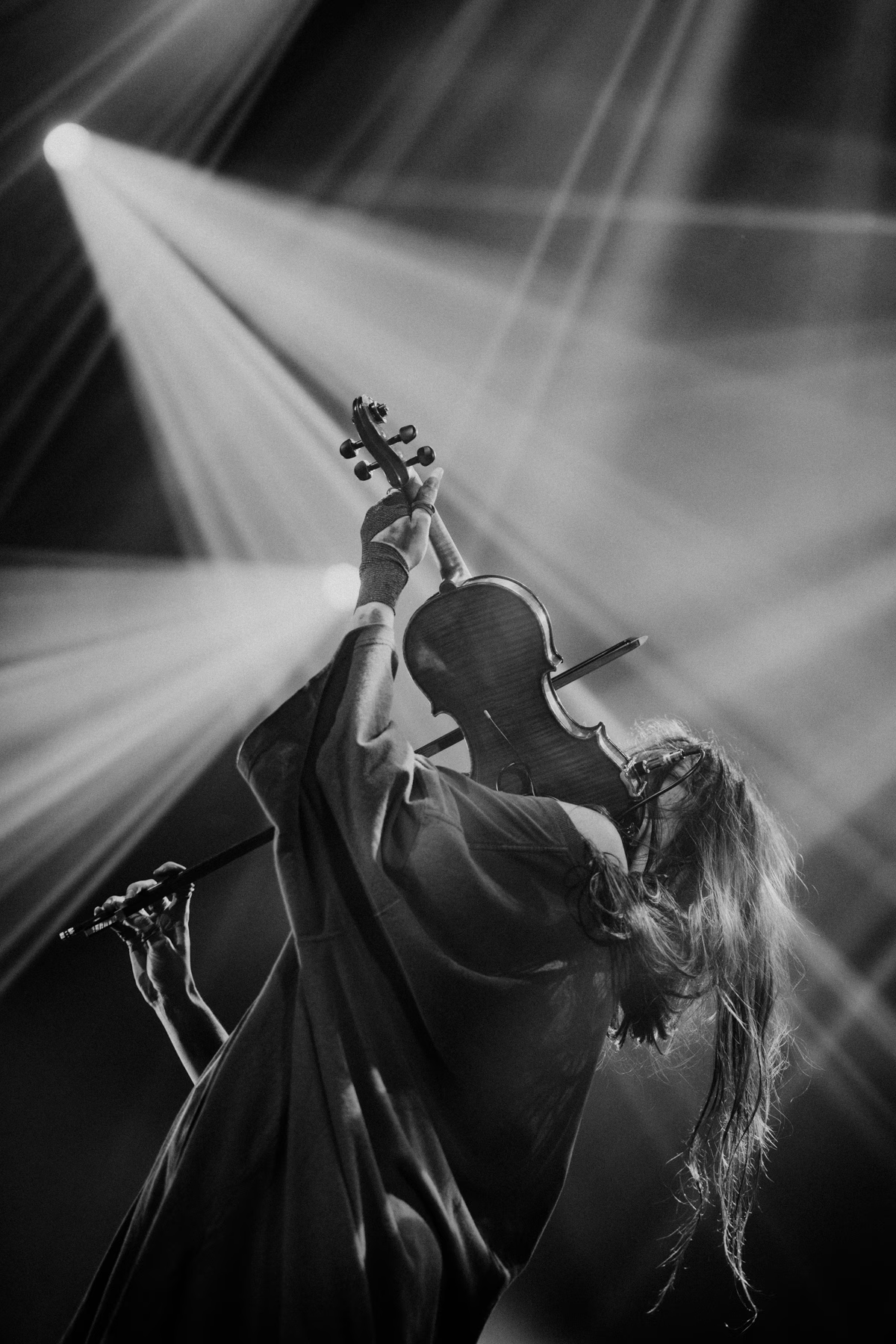
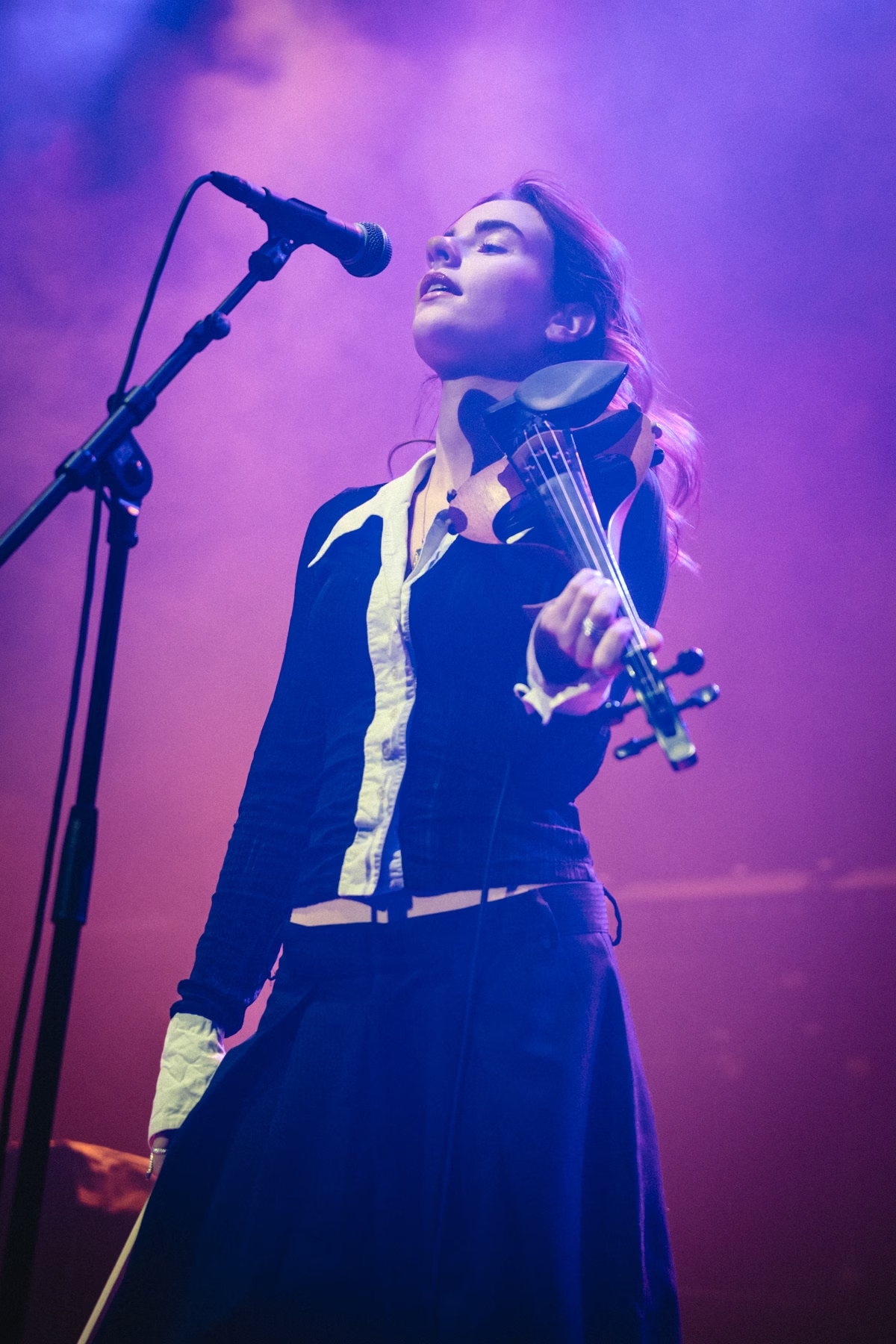
Then comes the music itself. It arrives in short, concentrated bursts, hit after hit after hit. Even if you’ve never deliberately listened to her stuff, chances are you’ve already encountered parts of it online. You’ve probably quoted her without realising it. The songs land like dopamine administered in rapid succession. How exactly this effect is engineered is something of a mystery to me but whatever was in that water seems to have the right effect. Behind her sits an arsenal of instruments that she darts between throughout the nearly two-hour set, picking them up and putting them back with dizzying efficiency. She is clearly an accomplished multi-instrumentalist, though we only see flashes of it, just enough to realise the power that she holds and the extent of her capabilities. That power becomes impossible to ignore when she invites her former violin teacher on stage for an instrumental piece. There’s intimacy, genuine mastery, and a visible affection between student and teacher.
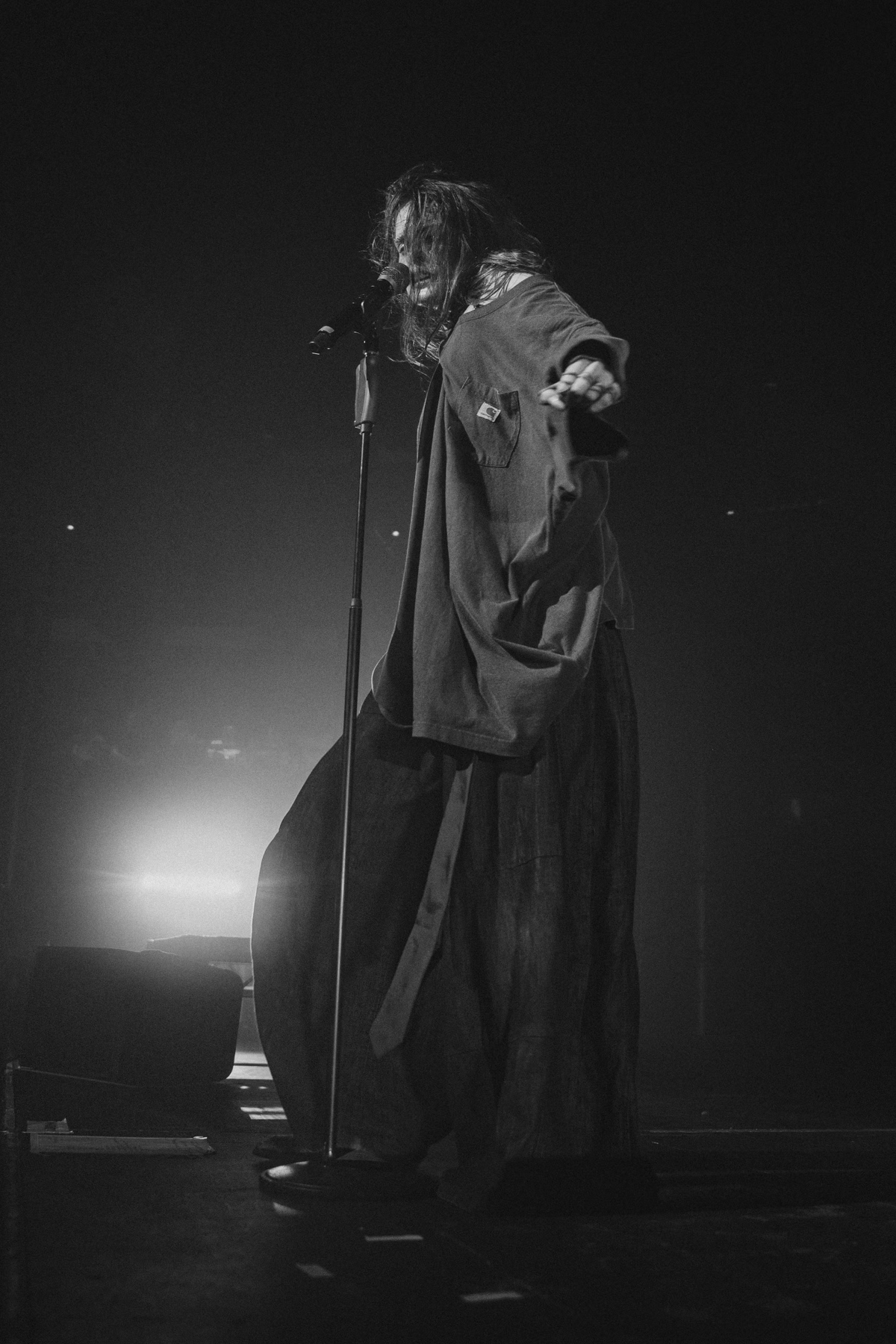
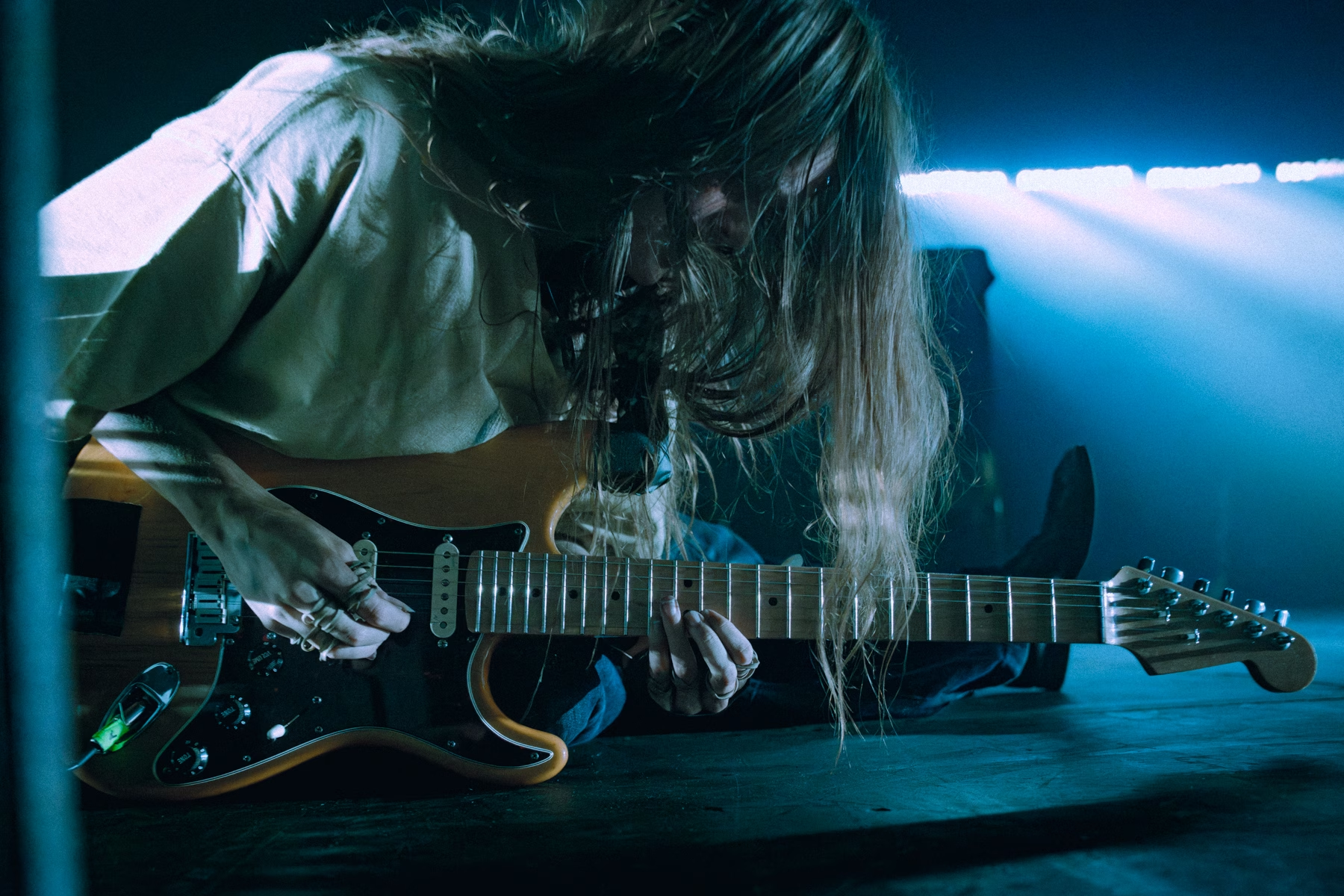
Intimacy becomes, in fact, the evening’s defining currency. For “Evergreen Soldier”, Isella invites some audience members onstage to hold her while she sings and strums her guitar. Their sobbing becomes part of the arrangement and one begins to wonder about the intricacies of parasocial relationships, yet what unfolds feels less transactional than other artist-fan interactions. There is a level of trust here. She repeatedly disappears into the crowd, yet security is not swarming around her when she does. If they are, they’re discreet.
Around the halfway mark, Tom Odell emerges as a guest. This serves as a thank-you of sorts for taking her on tour in 2024. Together they perform his song ‘Black Friday’ and, as cliché would have it, one could hear a needle drop, or perhaps a collective holding of breath and a long sigh at the end. Later, somebody shouts for ‘Unattractive’. Isella warns that the result may be disastrous as the request was entirely unplanned, thus unrehearsed. Instead, she walks into the audience once again and delivers it flawlessly. Twenty four tracks, and her energy doesn’t appear to falter. She moved through the crowd smiling, and hugging people, making contact with a level of ease rarely seen in a venue this size. She is, somehow, of the people.
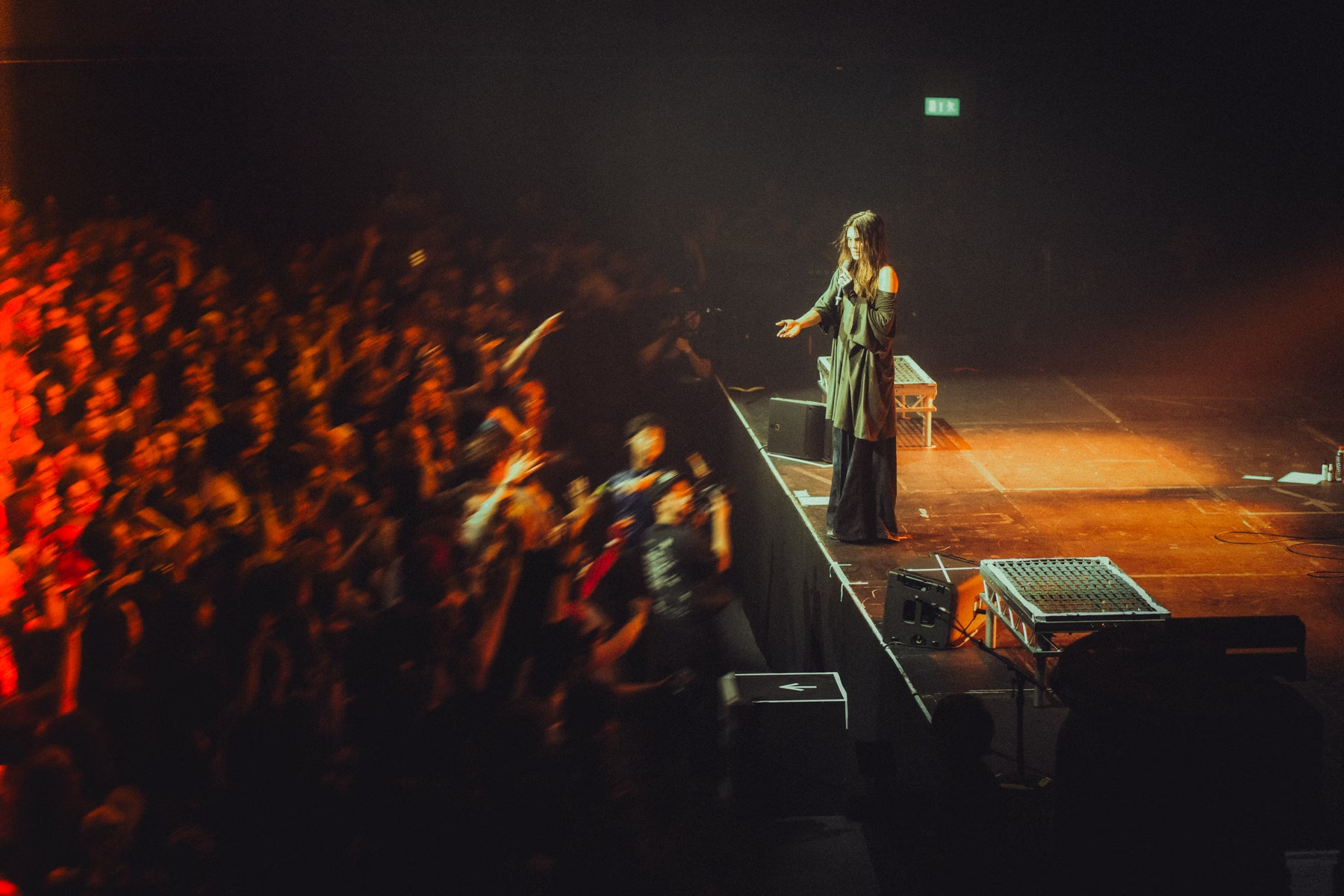
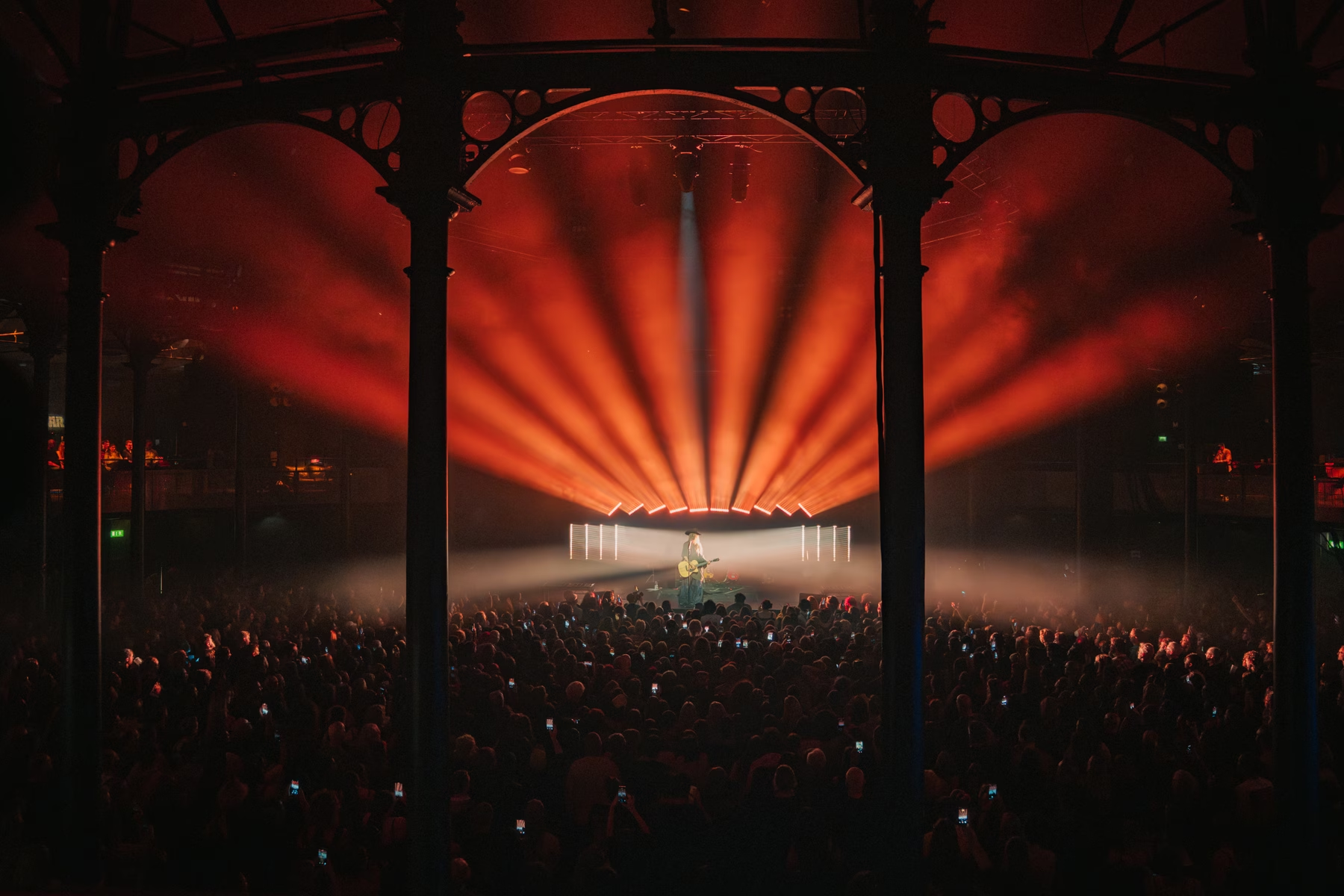
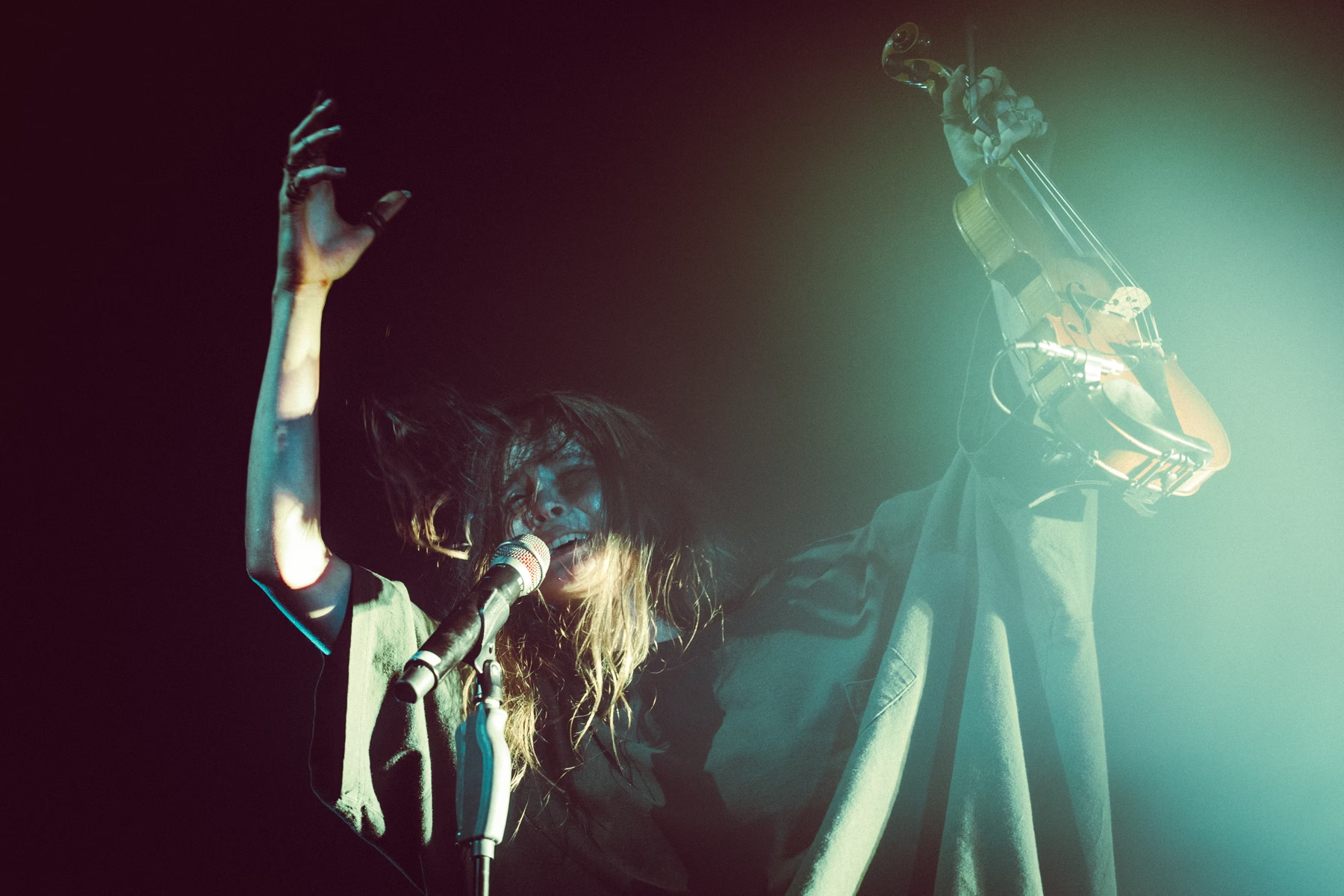
And maybe this is what the audience is responding to. Her songs arrive pre-loaded with familiarity, but what unfolds at the Roundhouse suggests that the appeal extends beyond music itself. In an age of mediated relationships and curated distance, she offers contact and warmth. A semblance of trust. Whether this constitutes a healthy corrective or a more sophisticated form of unilateral attachment is difficult to say, but watching a room full of strangers become less afraid of one another, you start to wonder what might have been different if we’d had this at twenty one. Saving the world may be a reach. But she might be leading a generational shift.
Everybody needs a bosom for a pillow.
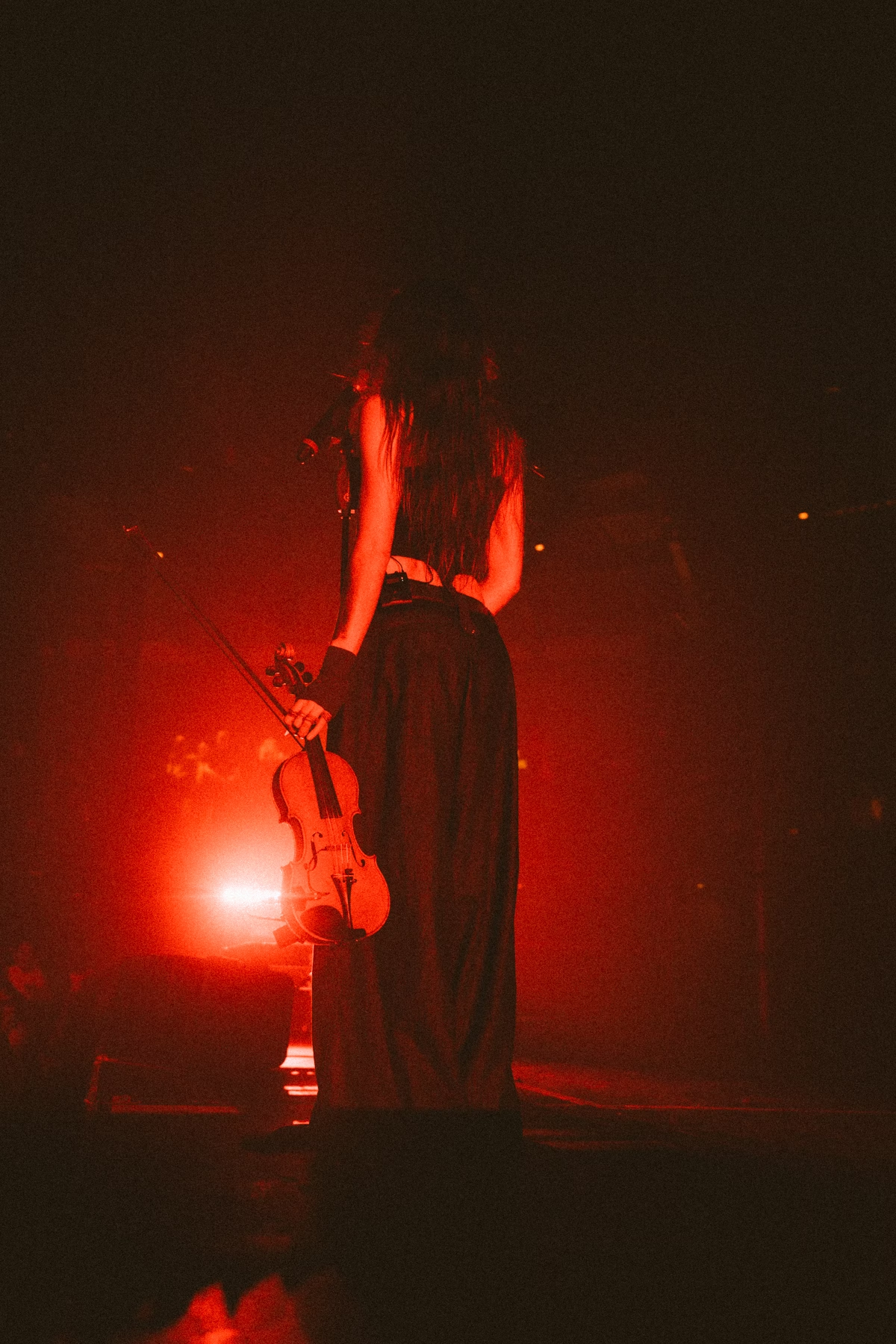
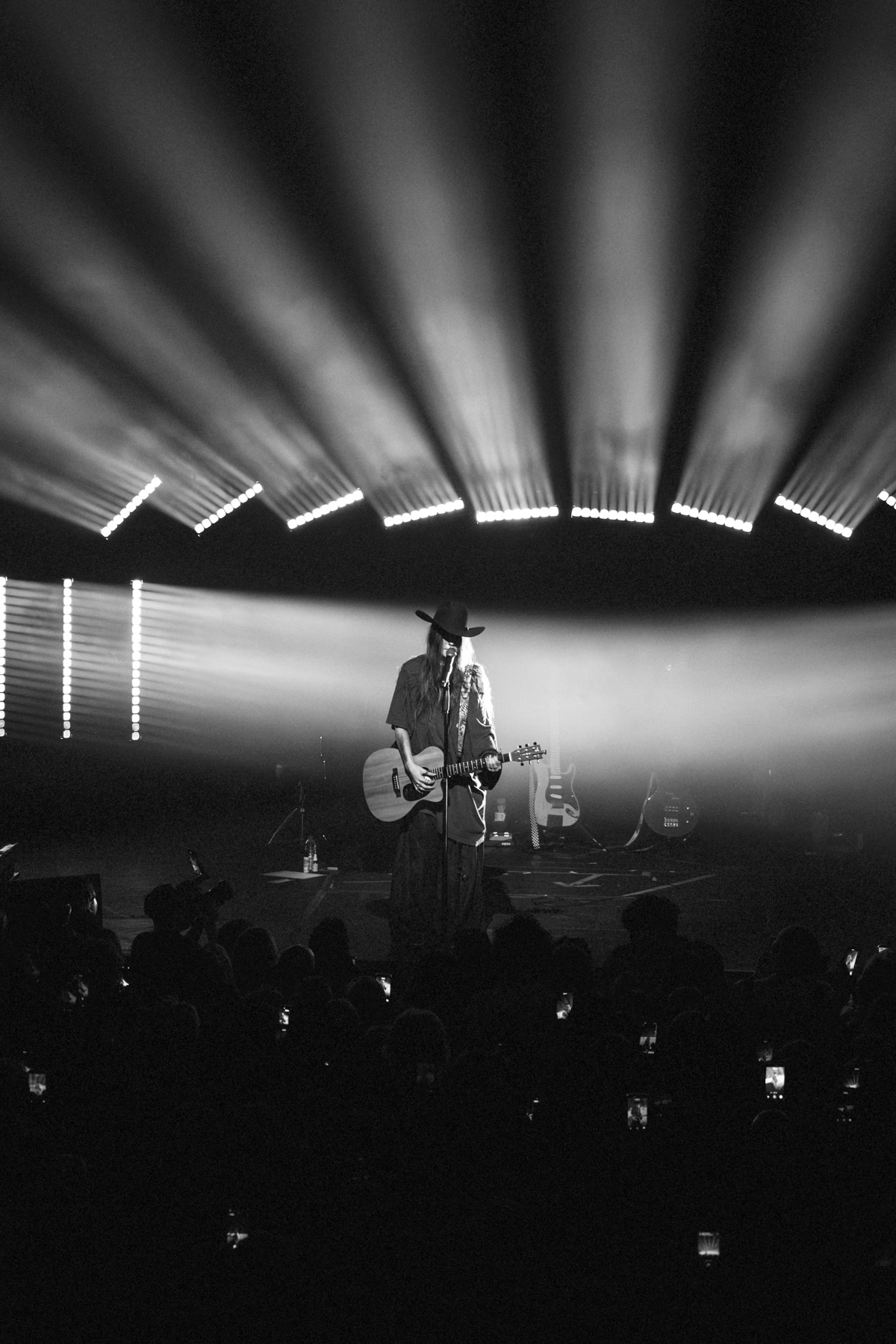
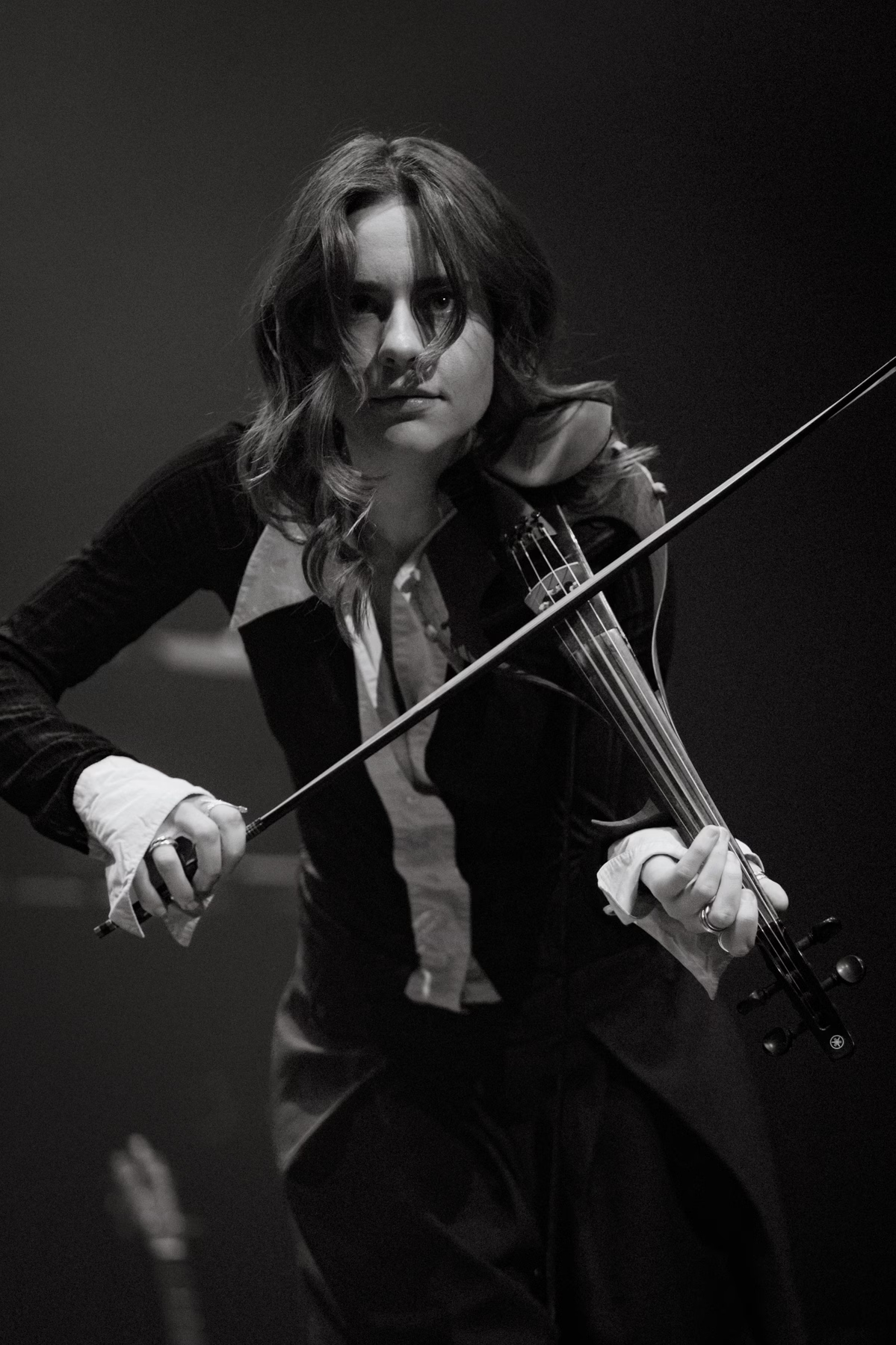
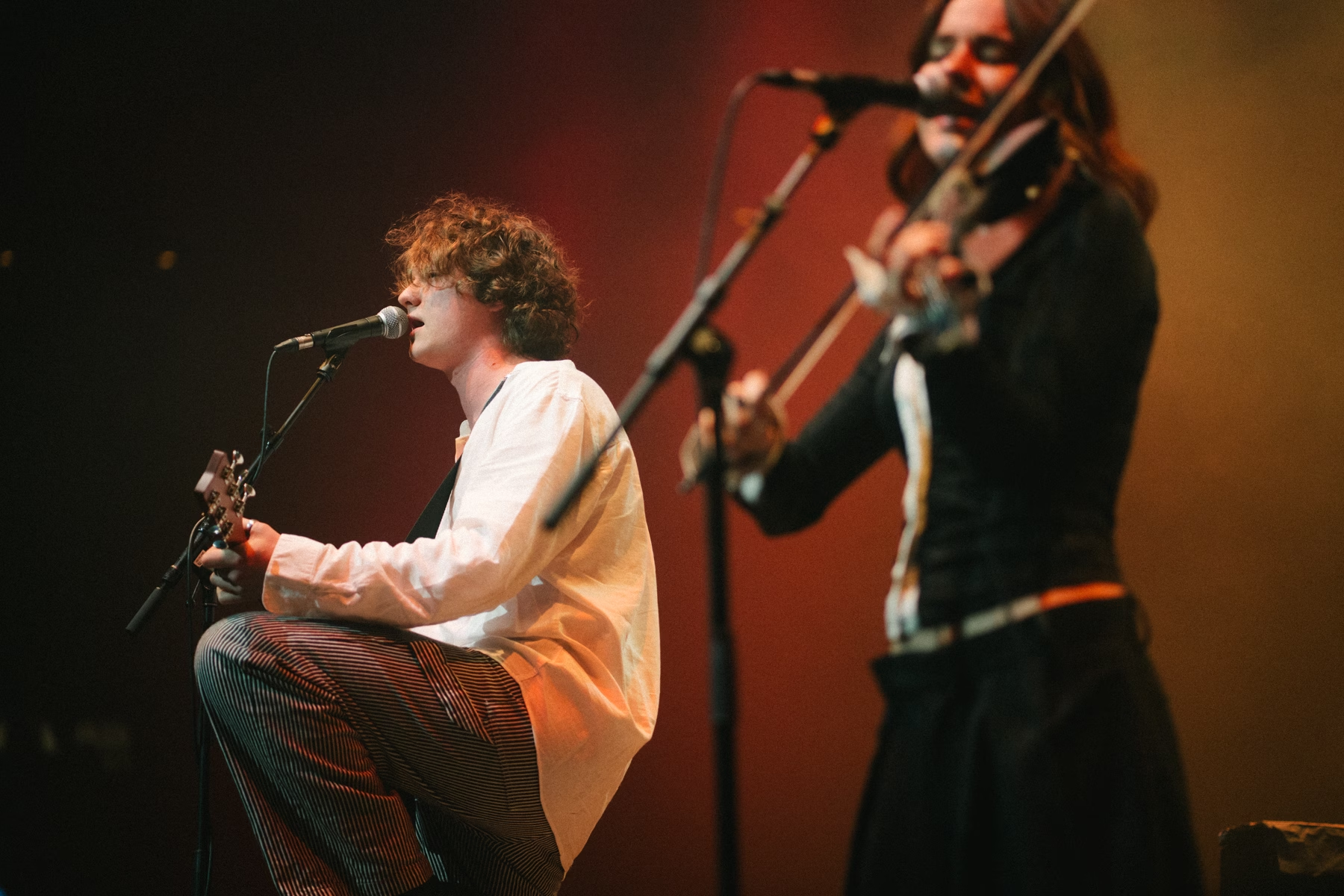
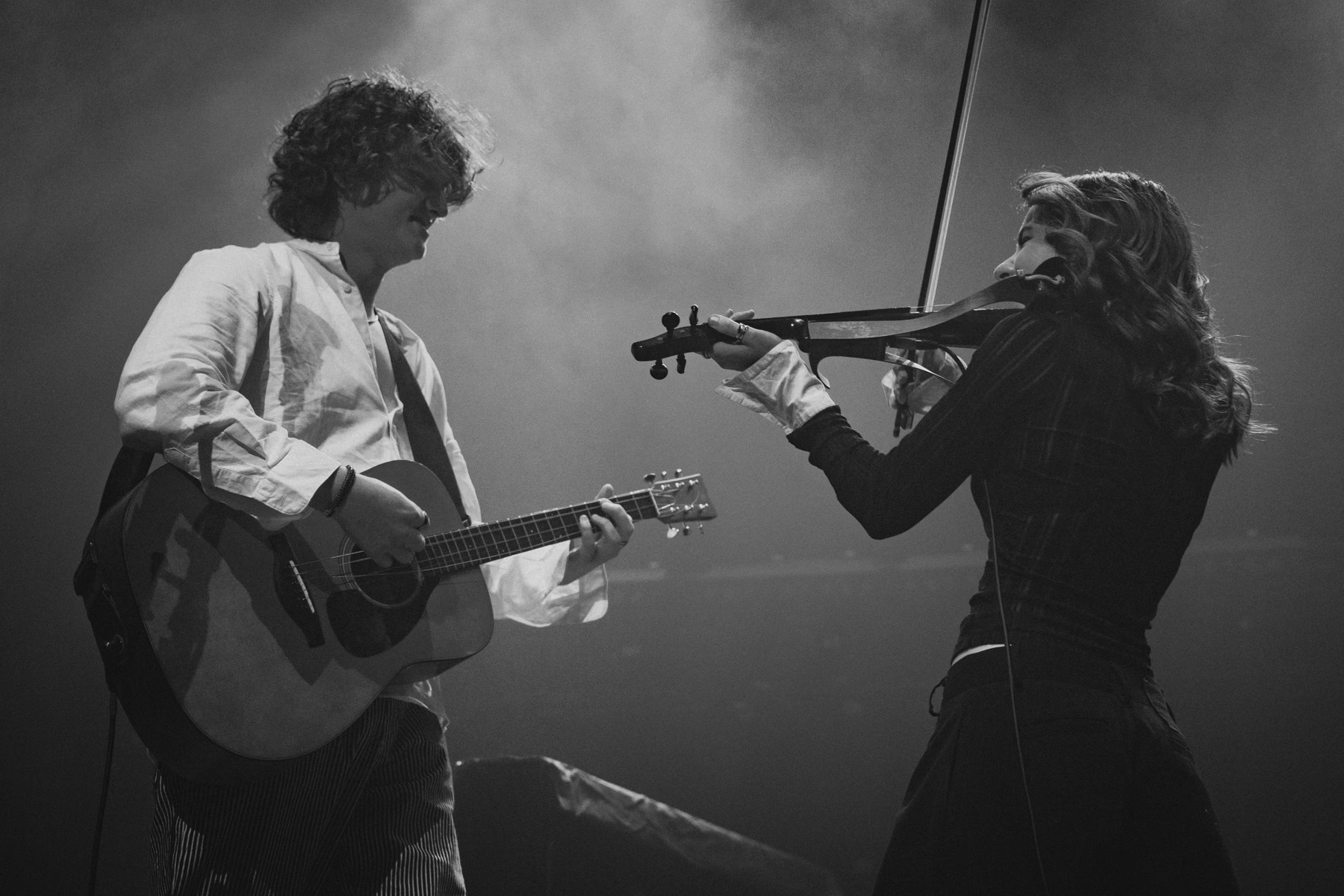
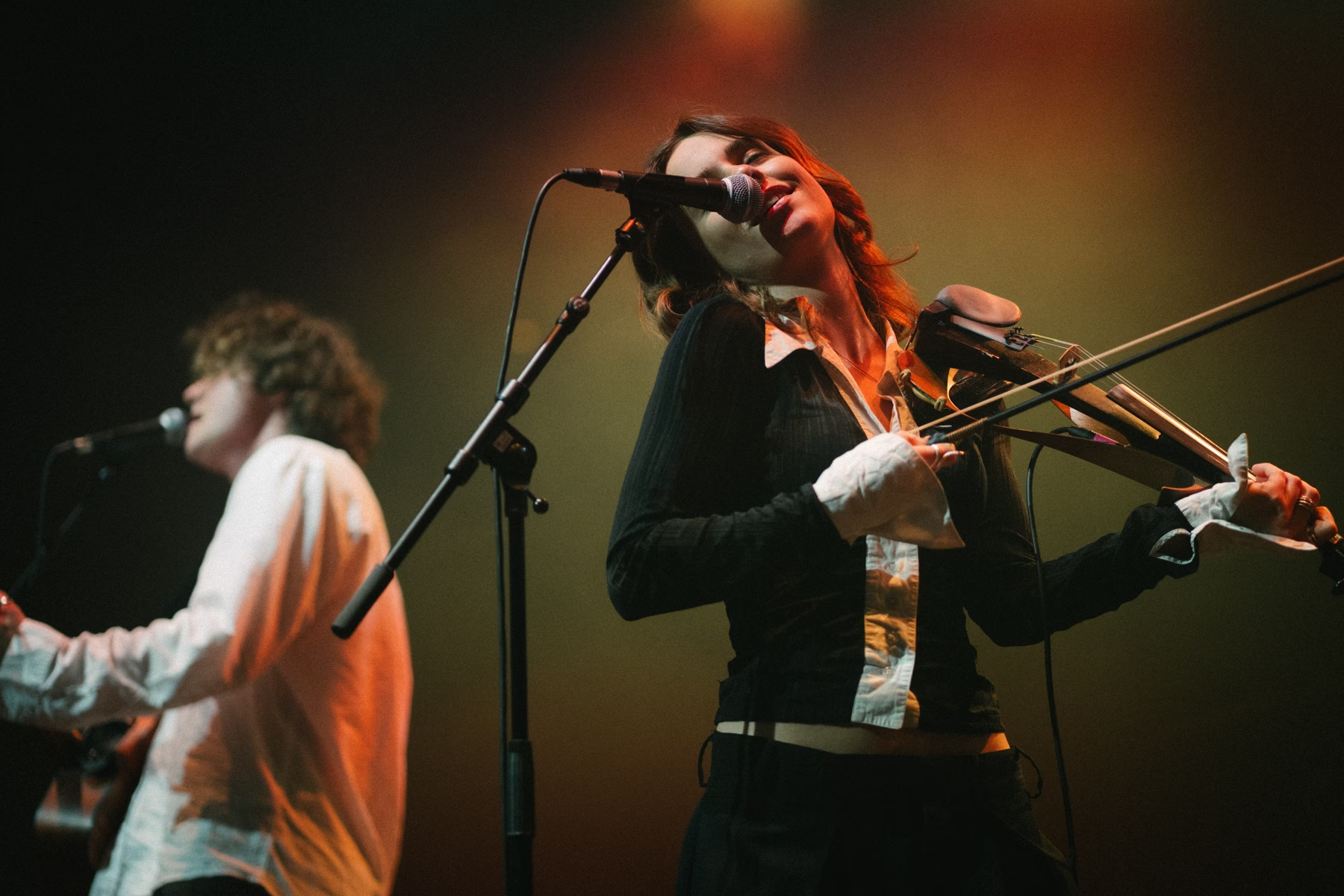
Seb Lowe opens for Isella alongside Kate Couriel on violin, and it’s clear from the start that he’s brought his own growing army of converts. Lowe has figured out that charm is a more destabilising delivery system for rage than actual rage. His set is sharp and disarming in all the right places, and on someone else’s night, the crowd is vocal and present. Towards the end he does something I’ve never witnessed from a stage before – he thanks his photographer (among others). I’ve been in many rooms, and nobody does that. He told us exactly who he is.
Sofia Isella
Set 1
- Out in the Garden
- Hot Gum
- Josephine
- Cacao and Cocaine
- Man Made
- Muse
- Star v
- Dog’s Dinner
- Evergreen Soldier
- Product of Public Domain
- Vinegar
- All of Human Knowledge Made Us Dumb
- Black Friday
- Above the Neck
- The Well
- The Chicken is Naked and Afraid
- Unattractive
- Everybody Supports Women
- Us and Pigs
- The Doll People
- Sex Concept
- Orchestrated, Wet, Verboten
- I Looked the Future in the Eyes, It's Mine
Encore
- Hot Gum